.webp)
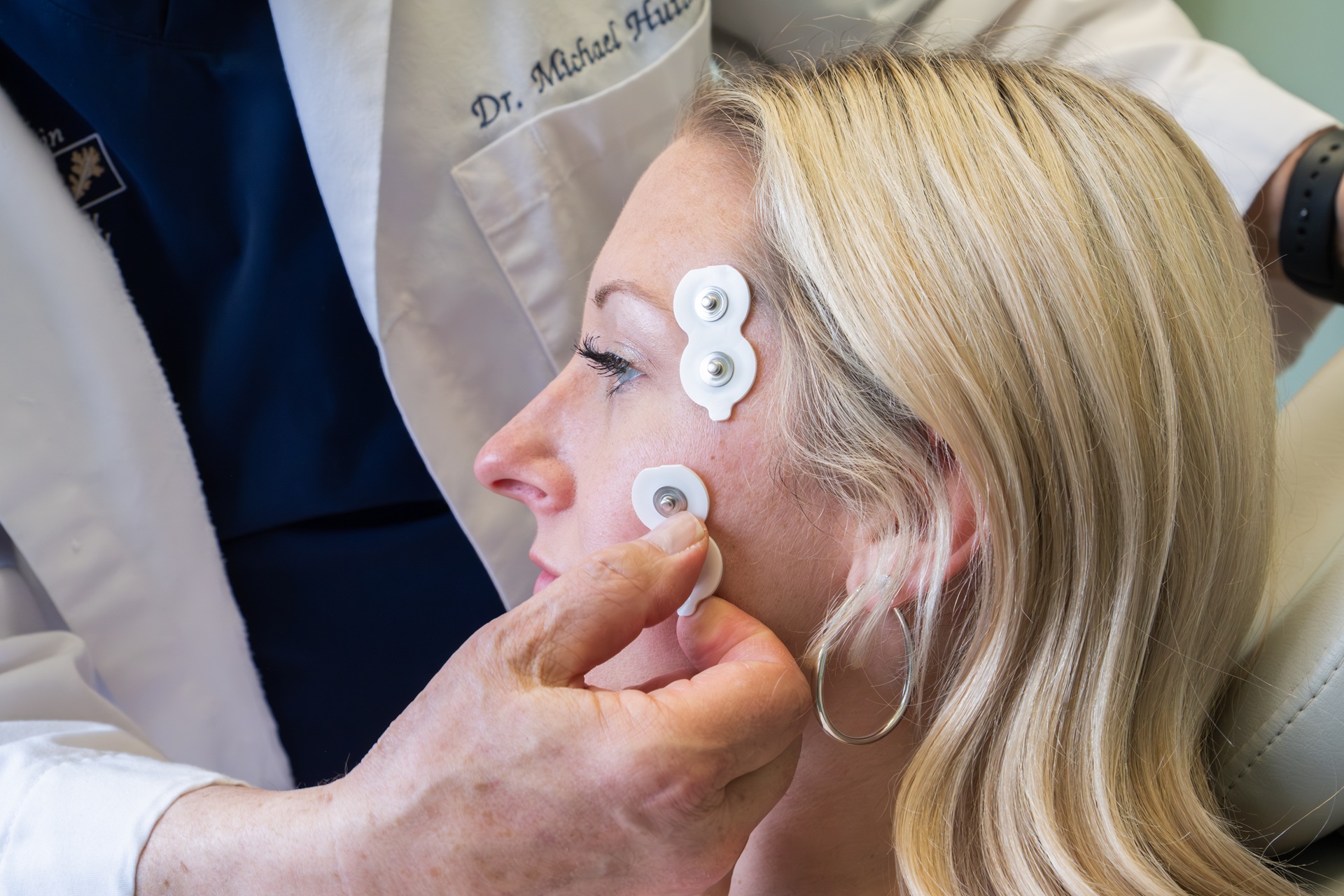
TMJ TreatmentIn Traverse City, MI
Chronic headaches, jaw pain, tension, or clicking and popping of the jaw joints can compromise your comfort and keep you from chewing with natural ease. This pain often stems from TMJ disorder, a jaw disorder that can be resolved with a variety of minimally invasive, tailored treatments. Find relief with solutions from our team of experts at Associates in Family Dentistry.
Why Should I Get TMJ Treatment?
TMJ treatment is the best way to eliminate your pain and restore your oral range of motion so you can get back to your day-to-day routine. The pain and discomfort of TMJ disorders can be extreme, and it can stop you from eating your favorite foods, chewing normally, or even speaking without pain and discomfort. Jaw issues like TMJ disorders won’t get better on their own, and may even get worse over time. If you're having headaches more than once a week or experiencing jaw pain, that's not normal. Contact us for a consultation right away. We’ll get to the bottom of the problem, give you a diagnosis, and provide the care you need for a healthy, functional, pain-free jaw.
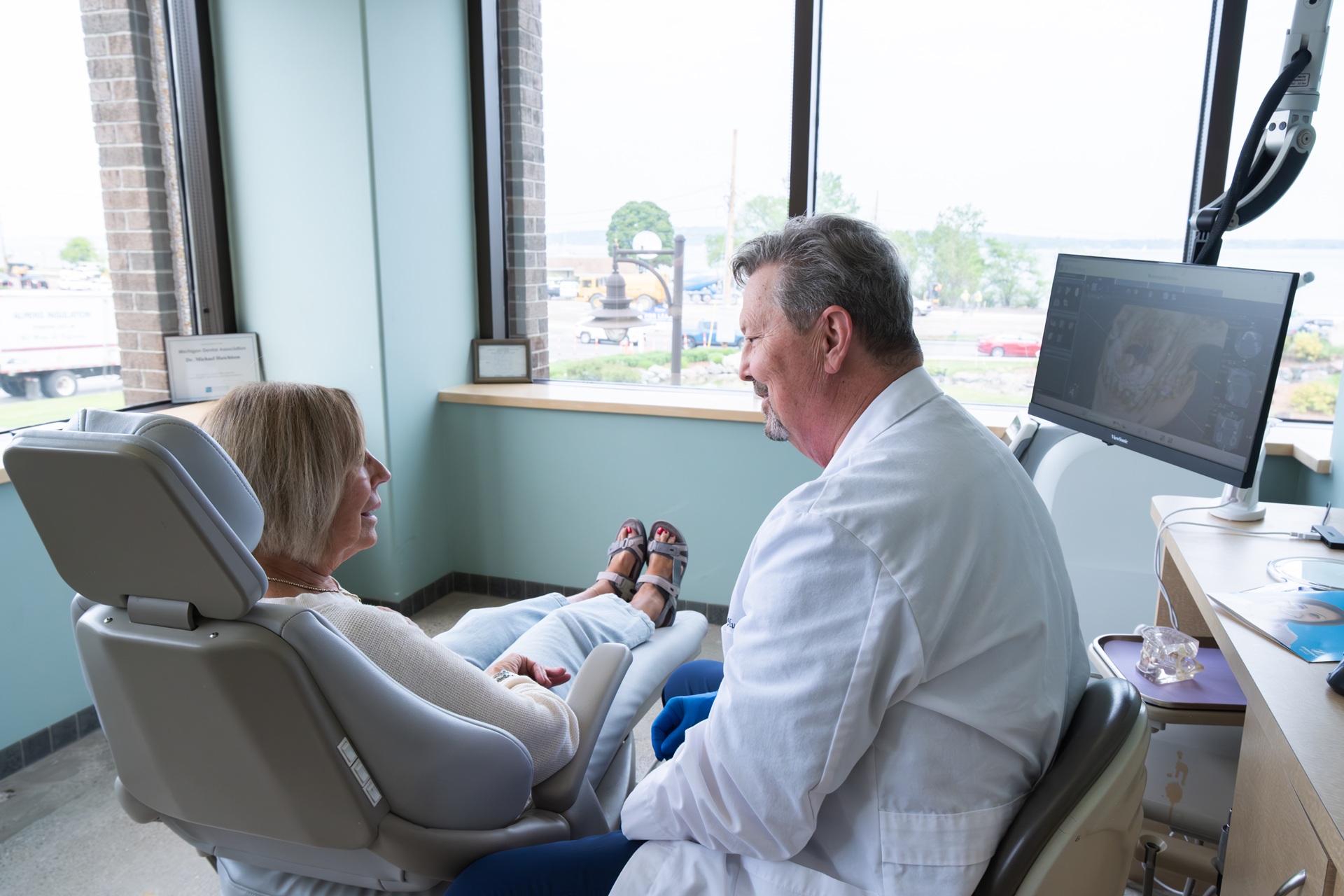
High-Tech Digital Impressions
With our iTero Intraoral Scanner, we can take a non-invasive 3D scan that captures the form and structure of your mouth for custom-fit oral appliances. It’s a fully digital process — no putty necessary.
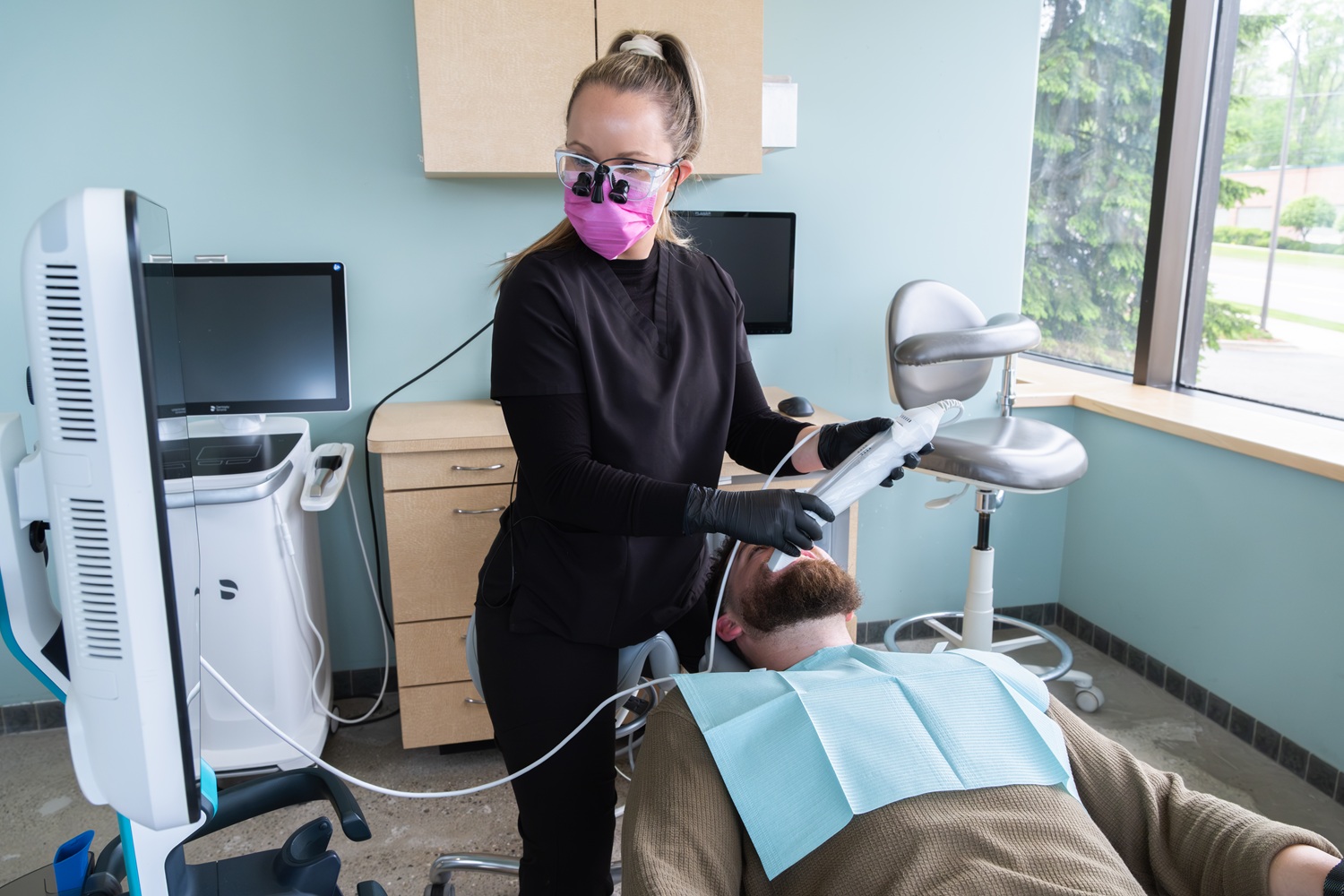

Advanced Diagnostics
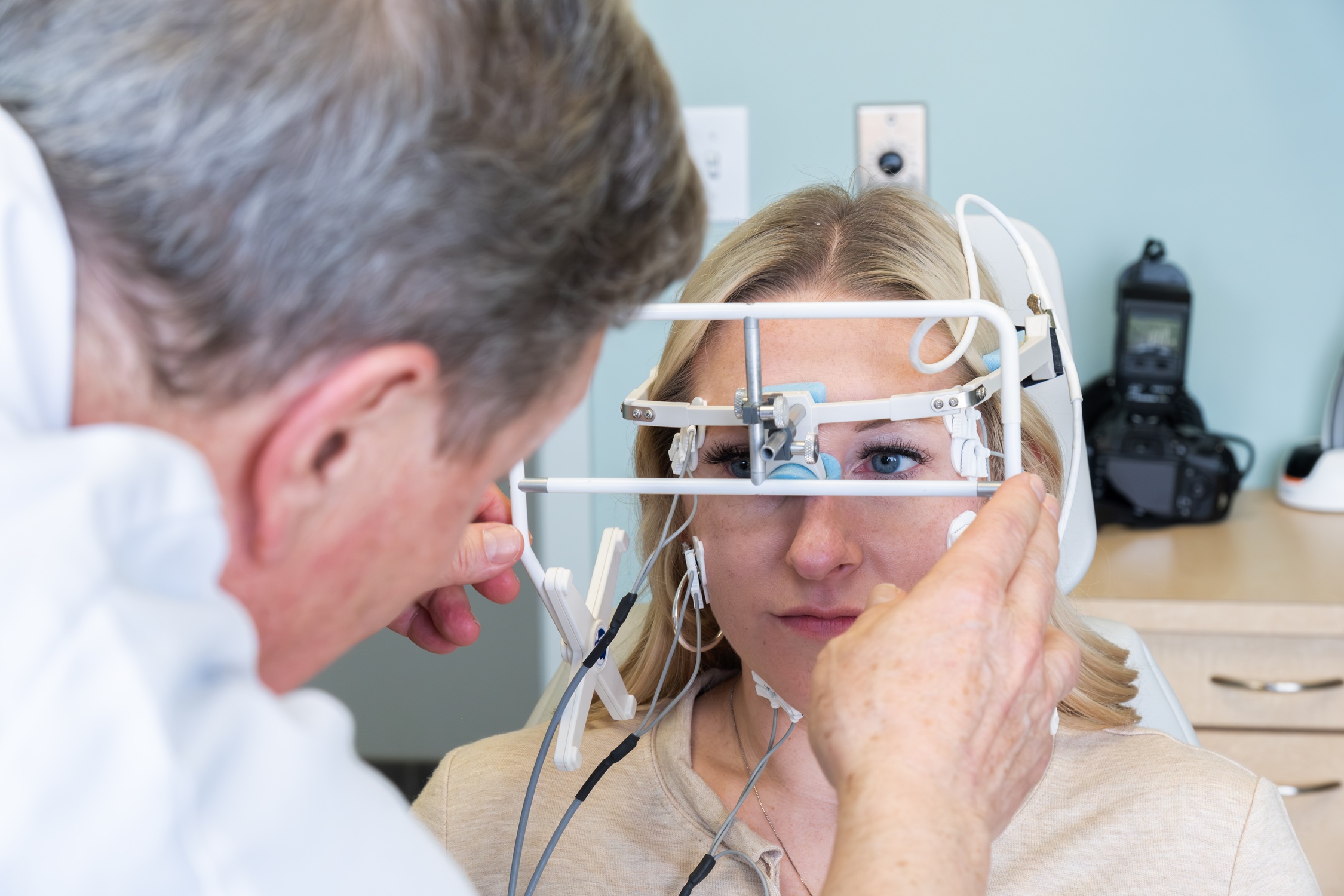
We use state-of-the-art tools like the Myotronics K7 3D Jaw Tracking and TMJ Sound Study, along with the T-Scan Occlusal Analysis System, to take the guesswork out of diagnosing TMJ disorders and related issues. These technologies allow us to precisely measure jaw movement, muscle activity, joint sounds, and bite balance—giving us a clear, data-driven path to more effective treatment.
The Benefits of TMJ Treatment
Relieve Your Pain And Discomfort
TMJ disorders can cause serious, chronic jaw pain that interferes with your ability to work, focus, and live your day-to-day life. With proper treatment at our office, you can get your life back to normal.
Restore Oral Range Of Motion
TMJ disorders can make your jaw “lock” or stiffen. This makes it hard to open and close your mouth properly, which could interfere with biting, eating, and even speaking. Treating TMJ disorder restores your oral range of motion.
Treat Other Related Problems
TMJ disorders are related to lots of other problems including tinnitus (ringing of the ears), teeth grinding, chronic headaches, neck and upper back stiffness, and more. With proper treatment from our qualified dentists, you can get relief from a variety of symptoms that may be related to TMJ disorders.
Neuromuscular Dentistry
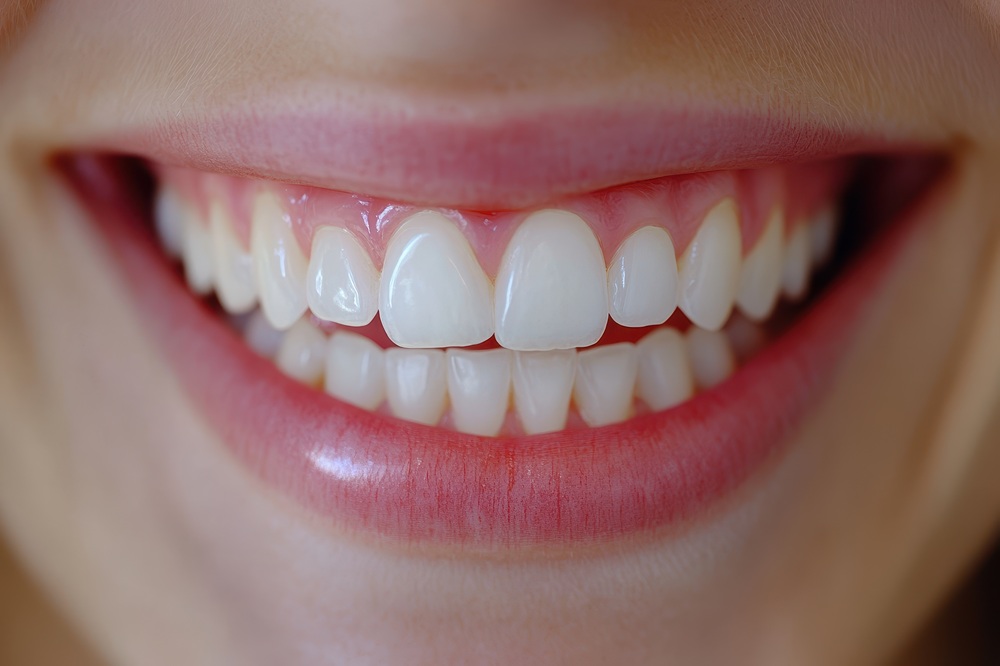
Neuromuscular dentistry focuses on how your teeth, jaw joints, and muscles work together in harmony. By evaluating the position and function of the jaw using advanced technology, we can create personalized treatments that relieve TMJ symptoms, improve bite alignment, and support long-term comfort and stability.
Advanced Tools for Precise Care
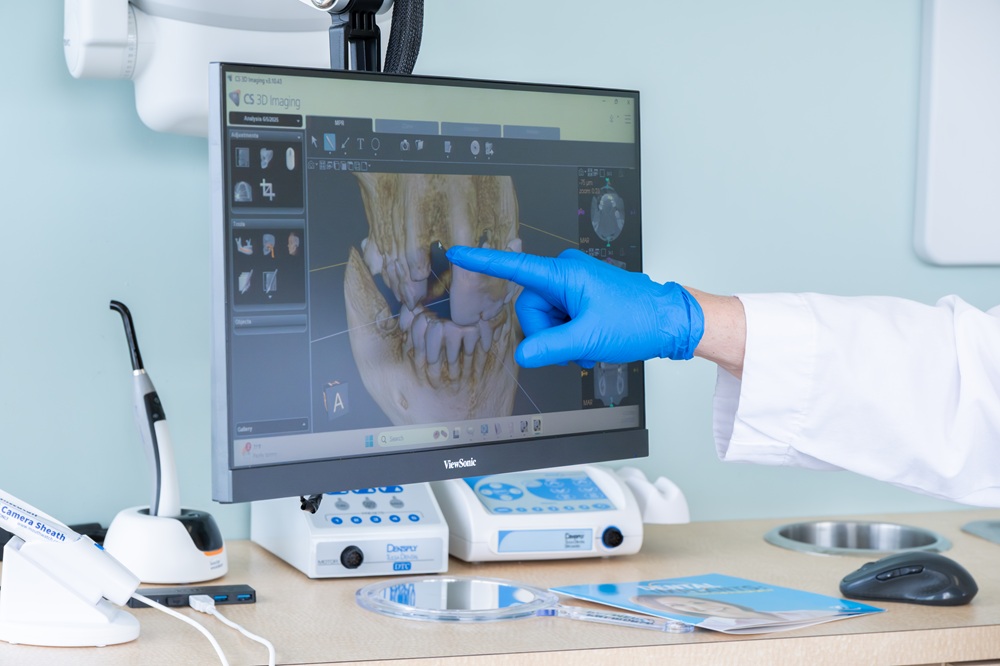
While traditional x-rays provide 2-dimensional images, our Cone-Beam Computed Tomography (CBCT) can capture a 360 view of your jaw, teeth, and mouth. This unparalleled precision allows us to provide the most accurate diagnosis for your unique condition.

Trismus Appliances
A trismus appliance is a clear, precisely fitted device that sits on your lower teeth and is worn to help correct the alignment of your jaw and keep the muscles in a balanced position. Consistent continued wear of this appliance allows muscles to relax, leading to bite stabilization and relief of symptoms caused by TMJ disorders. This appliance is a vital component of treatment.
The TMJ Disorder Treatment Process
Initial Consultation & Diagnostic Appliance
TMJ disorders are often multi-factorial and difficult to detect. Your initial consultation will allow our team to gather information about your history including onset of pain, symptoms and contributing factors. A clinical exam will explore tenderness in the muscle groups of your jaw, head, neck, shoulders, as well as your teeth and bite, and other related factors such as ear blockage and posture. You will also be given a diagnostic appliance for short-term wear, which will help to determine your personalized treatment plan.

Analysis of Jaw Movements & Trismus Appliance
Advanced diagnostic technology will collect information that is necessary to treat your TMJ disorder by relaxing the muscles of your jaw, obtaining a record of your biting and chewing patterns, analyzing jaw movements and muscle activity, and recording jaw joint sounds. This will allow for precise fabrication of a trismus appliance that will help correct the alignment of your jaw and keep the muscles in a balanced position as we strive to stabilize your bite and relieve your symptoms.

Treatment to Maintain Stable Bite Position
Several treatment modalities may be necessary to reconstruct your occlusion, or relationship of your upper and lower teeth when they come together, to support the correct alignment of your jaw with the muscles in a balanced position. This will be different for every patient, and can include orthodontic treatment (like Invisalign), implants, and crowns or veneers, just to name a few.
Before & Afters
A smile is worth 1,000 words.
See real patient success stories.
FAQs
Frequently Asked Questions
Check out these frequently asked questions, or call us to speak with our team.
The symptoms of TMJ disorders vary quite a bit depending on the patient. You may experience issues like:
If you notice any of these symptoms, we recommend scheduling an appointment with our team at Associates in Family Dentistry right away to get help.
TMJ pain is caused by a variety of different issues:
Because TMD and TMJ pain can be caused by so many different health issues, it’s important to see an experienced dentist, like our team at Associates in Family Dentistry, when seeking care.
Some cases of mild TMJ disorders may go away on their own with lifestyle changes, such as ceasing gum chewing, de-stressing to eliminate teeth clenching, and more. However, if you suffer from the symptoms of TMJ disorders for more than a week or two, your condition may be chronic. To learn more about your specific case, it’s best to schedule a consultation with our team of experts to get the help you need.